
Art brought close to the viewer
Baroque art often brings a scene close to the viewer through dramatic light, dynamic composition, and vivid emotion. Courts, churches, and private collectors all shaped its variety. In Caravaggio’s work, the sacred can look startlingly everyday; elsewhere, movement and ornament expand toward spectacle. The usual period given for Baroque is c. 1600–1750, but dates are guides to overlapping activity rather than firm doors that opened and shut everywhere at once. The term groups artists for the convenience of discussion. It cannot explain a work before we have looked at that work. A useful first move is to ask what problem the name makes visible: a new audience, a disputed subject, a way of organizing space, or a change in what artists thought images could do. Only then can we decide how well a particular painting, print, or design belongs within the account.
The world around the work
Baroque is a broad retrospective name for art made under different political and religious conditions. Catholic commissions after the Reformation, Protestant domestic markets, royal courts, and colonial expansion each shaped what an image was asked to do. A church altarpiece and a Dutch interior may share a century without sharing an audience. Caravaggio’s Roman commissions and Vermeer’s Delft interiors belonged to different markets and institutions. A biblical scene could bring sacred action close to a church visitor; a domestic picture might reward one collector’s repeated private attention. The word Baroque joins these works in a period, but it should not erase the difference between a dramatic public encounter and a measured room. Follow the original function of the object before treating light, emotion, or movement as a universal style.
Light, movement, and drama
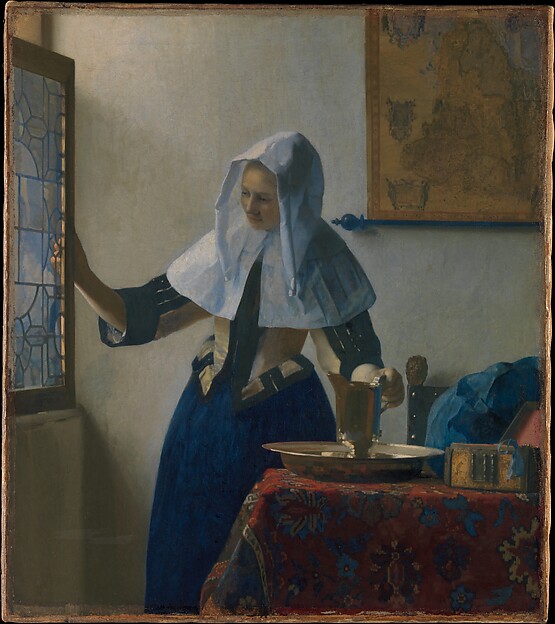
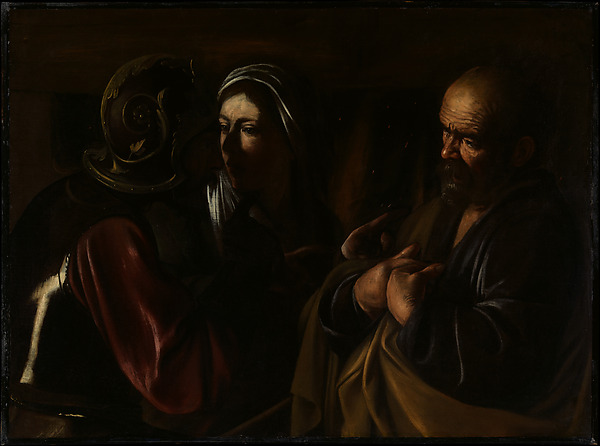
Strong diagonals, theatrical light, and an address to the viewer are common, but stillness can be just as powerful as spectacle. Caravaggio places a beam of light where a decision occurs; Vermeer lets a window reveal the measured quiet of a room. The Musicians makes these choices visible in a particular object. Its own composition, medium, and subject offer a more useful test of the movement than a checklist of traits. Compare it with another work in this guide and the differences in scale or handling begin to matter as much as the resemblance.
Patrons, churches, and courts
Caravaggio’s ordinary bodies brought sacred narratives close to everyday experience. Vermeer’s small surviving group of domestic pictures shows how attention can also be dramatic without obvious action. The comparison prevents the period from collapsing into one taste for shadow. Among the names readers may encounter are Caravaggio, Johannes Vermeer. Such lists help us begin, yet they can imply that artists acted as a single mind. A closer view reveals individual training, friendships, rivalries, access, and ambition. Two works made in the same decade may disagree about what an image owes its viewer. That disagreement is not a problem for the history; it is evidence that the label names a live conversation. Follow one artist into another period and the edges of the category become clearer still.
Artists within Baroque
Caravaggio brought sacred stories into the world of ordinary bodies and sharply directed light. His figures look tangible: worn feet, rough hands, and expressions caught at a moment of decision. These choices unsettled some patrons and electrified other painters. He built drama with a limited cast, tightly cropped action, and light that falls selectively. The worn and ordinary bodies matter because they refuse to keep sacred history safely distant. The Musicians gives that practice a concrete form. Caravaggio gathers the young performers close to the picture plane. Music is suggested through instruments and shared attention, yet the scene does not settle into a straightforward performance. The nearness of bodies and objects makes an allegorical subject feel immediate and physical.
Vermeer made quiet rooms feel vast. In a relatively small body of surviving paintings, he used windows, maps, tiled floors, and concentrated color to turn daily routines into moments of attention. Window light, carefully placed objects, and restrained geometry let apparently quiet scenes unfold slowly. A wall, a table, or a map can be as active in the composition as a person. Allegory of the Catholic Faith gives that practice a concrete form. Symbolic objects crowd the room around a central figure. Vermeer uses the careful structure of an interior to make an allegory visible without giving it a single simple reading.
Patrons could seek persuasion, devotion, prestige, or commercial appeal. Images produced in these settings are evidence of social relationships as well as feats of technique. The label also encompasses global exchanges shaped by trade and empire, which cannot be reduced to a European style story. The artists shown in this guide offer a starting point, not a complete roll call. The surviving objects and records have their own uneven histories: some were preserved and studied closely, while others disappeared from view. That imbalance is one reason to keep looking beyond a short list of celebrated names.
Baroque in different materials
A church altarpiece had to address people at a distance, while a small Dutch picture could be studied in a domestic room. Engravings spread compositions to people who would never see the painted original. Oil paint could produce Caravaggio’s concentrated dark passages or Vermeer’s gradual effects of window light. The shared medium did not dictate a shared result. Scale and setting mattered: a painting for an altar met bodies moving through architecture, while a small interior could be studied at close range. Compare the distance each picture places between viewer and figure. Material description is most useful when it leads back to the artist’s chosen surface, the work’s size, and the conditions under which someone first saw it.
Young Woman with a Water Pitcher is recorded as oil on canvas. Vermeer turns an ordinary action into an arrangement of light, fabric, metal, and space. The figure stands between the window and the objects of the room, so that opening the day becomes a quiet event. The map behind her enlarges the world beyond this carefully measured interior. This particular object makes material decisions easier to see than a list of stylistic traits does. Follow its source record for the stated medium and dimensions, then return to the image to notice where that process leaves its mark. A movement takes on more than one form because people worked with different tools, surfaces, and intended audiences.
How Baroque reached viewers
Baroque art reached people through churches, courts, collectors, and the market for smaller domestic pictures. A Caravaggio altarpiece was seen within worship and architecture, while a Vermeer interior might first have belonged to a private household. Their common period does not give them a common public. Scale, access, and the demands of a patron change what close viewing means. Following an object from its first setting into a later collection reveals how dramatically its audience can change.
Questions behind the label
Patrons could seek persuasion, devotion, prestige, or commercial appeal. Images produced in these settings are evidence of social relationships as well as feats of technique. The label also encompasses global exchanges shaped by trade and empire, which cannot be reduced to a European style story. It is tempting to make theatrical drama the definition of Baroque art and then treat quieter objects as exceptions. Vermeer’s careful space warns against that shortcut. Courtly and religious patrons, private buyers, and print publishers asked for different things from images made in these centuries. Geography matters too: Rome and the Dutch Republic did not share one art market. A strong account names the work and its audience before deciding how far a period label can explain what is visible.
Look closely with an actual work
The Musicians offers one close-looking example. Caravaggio gathers young musicians in a close, ambiguous room where performance and observation meet. Caravaggio gathers the young performers close to the picture plane. Music is suggested through instruments and shared attention, yet the scene does not settle into a straightforward performance. The nearness of bodies and objects makes an allegorical subject feel immediate and physical. Place it beside Allegory of the Catholic Faith. Vermeer fills an interior with symbolic objects and a central figure, turning religious allegory into a precisely arranged room. Symbolic objects crowd the room around a central figure. Vermeer uses the careful structure of an interior to make an allegory visible without giving it a single simple reading. Their source records give dates, media, and collections that can be checked. Those facts do not decide what either image means, but they keep the comparison tied to actual objects. Notice one visual decision that the two works share and one that belongs to only one artist. The result may support the movement name, complicate it, or do both at once.
What came after Baroque
The Baroque keeps influencing cinema, photography, and contemporary painting whenever light directs a story or a composition seems to break into our space. Its legacy is a set of possibilities for staging attention rather than a fixed recipe for darkness and ornament. Caravaggio’s light became influential well beyond Rome, while Vermeer’s small surviving body of paintings drew enormous attention only later. Their afterlives show how a period can be assembled retrospectively from reputations that changed at different speeds. A present-day museum may place the two near one another in art history, but their first viewers met them in separate worlds. The distance between those encounters is part of what makes the comparison worthwhile.