The Musicians in its time
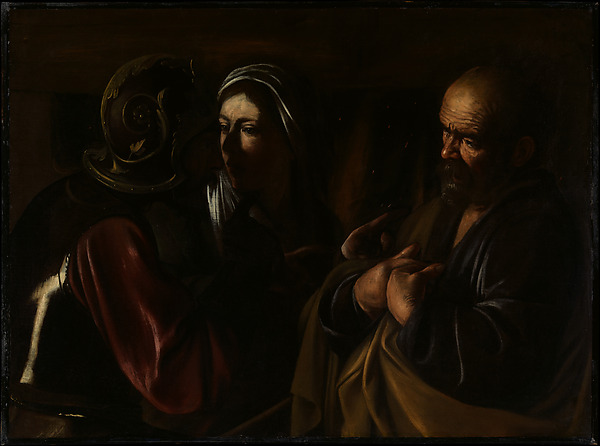
Caravaggio gathers young musicians in a close, ambiguous room where performance and observation meet. The Musicians is dated 1597 and is held by The Metropolitan Museum of Art. The source record names it “The Musicians.” A title and date can orient us to The Musicians, but neither replaces the experience of following its forms across the image.
What appears at first glance
Caravaggio gathers the young performers close to the picture plane. Music is suggested through instruments and shared attention, yet the scene does not settle into a straightforward performance. The nearness of bodies and objects makes an allegorical subject feel immediate and physical. In The Musicians, a minor detail can change the balance of the larger view. Let your eye move from its busiest place toward a quieter passage, then return. The route is part of the work’s design.
The material object
The collection records The Musicians as oil on canvas. What appears in The Musicians began on a specific support. Its material description and dimensions offer clues about the artist’s process and the work’s intended scale. For The Musicians, the collection’s medium label is a clue to the work of the hand and to the surface that first carried the image. On a screen, The Musicians has a convenient size. Its actual dimensions and support belong to the source record linked beside the work.
Caravaggio and this work
Caravaggio brought sacred stories into the world of ordinary bodies and sharply directed light. His figures look tangible: worn feet, rough hands, and expressions caught at a moment of decision. These choices unsettled some patrons and electrified other painters. The figures share the shallow space without resolving into a simple account of who is performing for whom. Instruments and faces pull attention in different directions, keeping Caravaggio’s picture between portrait, performance, and allegory. The source identifies The Musicians as one work in a changing practice. The subject may belong to a familiar part of the artist’s reputation, but the manner of showing it remains particular. Another image by the same maker may use a related method toward another end, or change the method altogether. Notice which visual problem seems newly urgent here, and which one the artist has approached before. A career story should follow actual pictures and the changes between them, not a legend of inevitable progress. Seen with Caravaggio’s other works, The Musicians shows how one maker could return to a concern while changing material or scale.
The world around The Musicians
Working in Rome at a time of intense church patronage, Caravaggio made biblical scenes press into the viewer’s space. Success brought major commissions even as disputes and violence disrupted his career. The Musicians began as an object in 1597, made for viewers with their own habits and expectations. Today its collection record offers a route back to that material history. For The Musicians, use the collection link to check date and medium before returning to the visual choices made on the surface.
Image and object record
The Metropolitan Museum of Art identifies The Musicians as a work by Caravaggio from 1597 and records its medium as oil on canvas. The collection credits the object to Rogers Fund, 1952. Follow the linked object record for its catalogue entry and any further notes on its history.