The word “print” can describe very different objects. An original print is made through a process such as woodblock, etching, lithography, or screenprinting. The artist designs the image for that process, and each impression is part of the work.
A reproduction is an image of another artwork produced by photography and printing. It can be a beautiful, accessible way to live with an image, but it should not be described as an original painting or original print. Paper, inks, and color management all affect its quality.
Edition numbers tell you how many impressions were planned or made in a particular edition, but numbers alone do not prove authenticity or value. Look for clear information about the technique, publisher, date, dimensions, and whether the artist approved the edition.
When choosing a print, start with the image you want to return to. Then check the details and care requirements. Good framing materials and a place away from direct sunlight can help preserve both an original print and a reproduction.
What “print” can mean
A woodblock print transfers ink from a raised surface, an etching from incised metal, a lithograph from a prepared stone or plate, and a screenprint through a stencil. Those descriptions are starting points: every process has many variations, and a print’s appearance depends on paper, ink, pressure, and the choices made during production.
Begin by asking for the process, not the price. “Print” might name a woodblock impression, an etching pulled from a plate, a lithograph, or a photographic reproduction of a painting. Each has a different relation to an original matrix or object. A seller who can tell you the date, technique, paper, publisher, and dimensions gives you more to work with than one who offers only an edition number. The label should describe what is physically in front of you.
Original or reproduction?
An edition can include proofs made before the final numbered set, later impressions, or impressions printed after the artist’s death. A signature and a low number are not substitutes for provenance. Ask what the stated edition refers to, who printed it, and whether the seller can identify the process accurately.
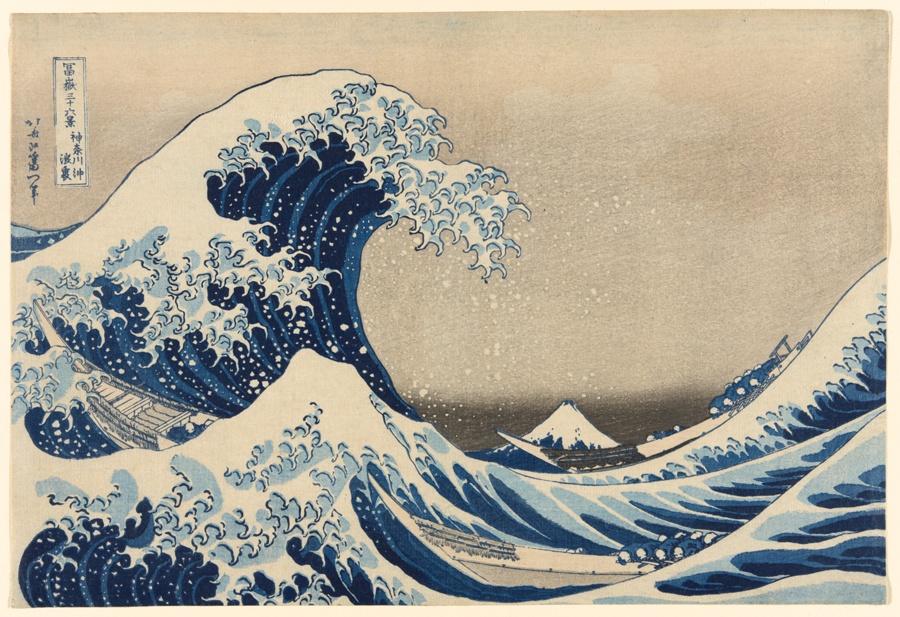
Hokusai’s Great Wave gives this question a familiar image. One museum may hold a historical impression, another a different impression with its own condition and color. A contemporary poster reproduces the design for a new use. Compare their records, not only the photographs: the printing method, support, and measurements tell you why two objects with the same wave are not interchangeable. The visual pleasure can be real in each case, even while the claims about what you own must be precise.
Read the object details
Reproductions deserve honest descriptions. A high-quality photographic print of a painting can offer pleasure and access, but it is not the original painting or an original print made through a printmaking process. Clear language helps buyers choose according to the image, object, budget, and care they actually want.
A print’s label should tell you how the image was made. A woodblock impression belongs to a process in which carved surfaces carry ink to paper; a modern photographic reproduction of that impression is another kind of object. Both can be enjoyed, but their materials, histories, and prices answer different questions. Publisher, date, paper, edition information, and condition matter more than a vague claim of rarity. If a listing leaves the process unclear, ask for the object details before making a decision.
Hokusai as an example
Hokusai’s Great Wave helps clarify the difference between an image and a single object. The design was printed through a collaborative woodblock process, and surviving impressions can vary in color, wear, and condition. A modern poster showing the wave may be a useful reproduction, but it is not an impression from the historical blocks. The distinction belongs in a description even when both versions give a viewer pleasure.
The Great Wave is useful because the design has lived far beyond its first printing. Look at a museum record for a historical impression, noting its dimensions and materials. Then compare a modern poster of the same image. The wave remains recognizable, yet paper, color, scale, and the presence of the carved block’s printed marks change what you are seeing. That comparison gives you a practical vocabulary for asking whether a seller offers a historical print, a later impression, or a reproduction.
Choosing with confidence
Understand originals, reproductions, editions, and labels. If you are choosing a work to live with, let enjoyment lead but keep the object details close. Ask how it was printed, whether its stated edition can be verified, and what care the paper needs. A good reproduction deserves an honest label; an original impression deserves careful description. The distinction is useful because it respects both the image and the process that brought a particular object into your hands.