In nineteenth-century Paris, the official Salon controlled much of the public stage for painting. A group of artists seeking other possibilities organized their own exhibition in 1874. A critic seized on the title of Monet’s Impression, Sunrise to describe what he saw, and the name stuck.
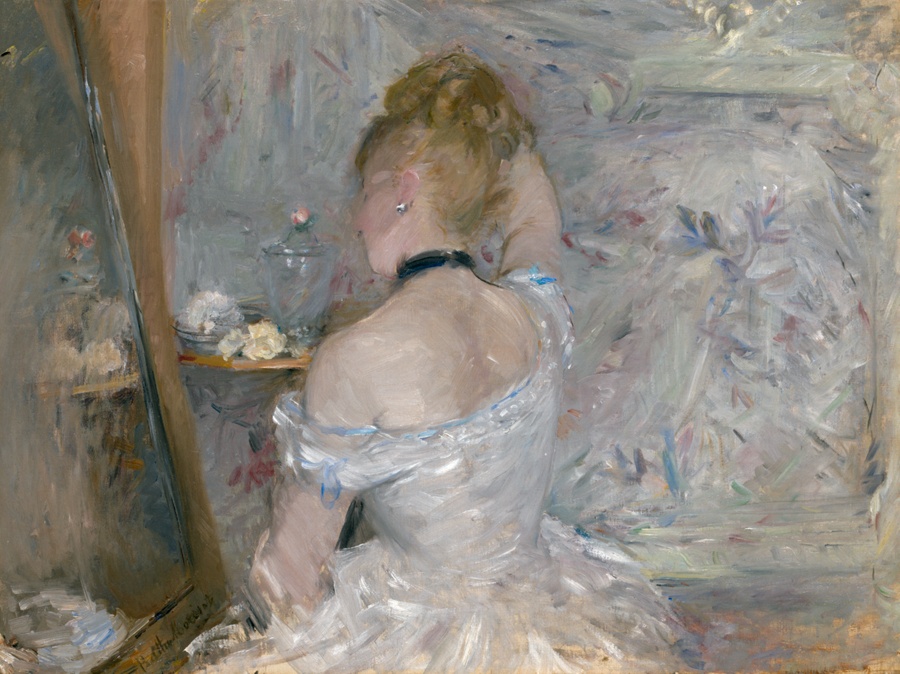
The artists did not all paint alike. Monet followed changing light outdoors. Degas preferred studios, theaters, and the effort behind performance. Morisot and Cassatt brought new force to scenes of domestic and social life. What united them was a willingness to treat the present as worthy of experiment.
Loose marks can make Impressionist paintings feel spontaneous, but spontaneity was often carefully pursued. Artists prepared compositions, returned to subjects, and made deliberate decisions about color and framing. Photography, Japanese prints, and a rapidly changing city all widened their visual options.
Their early exhibitions drew criticism and uneven sales. Over time, collectors and museums helped turn a disputed approach into one of the most familiar languages in art. The history is a reminder that what now feels natural in a gallery was once an argument about how to see.
The first exhibitions
The group’s independent exhibitions were practical acts as well as artistic declarations. Artists needed rooms, publicity, supporters, and sales. They disagreed about participation and technique; the name imposed by a critic never turned them into a uniform school.
Start with the exhibition rather than the soft colors now familiar from calendars and posters. The artists had to find a public for paintings that did not always satisfy the Salon’s expectations. A view of a railway station, a rehearsal, or a child at home could claim serious attention. Those subjects were chosen by people with different resources and freedoms. Keeping the first audiences in view restores the argument that the group’s pictures once made about what painting could include.
No single Impressionist style
A Monet series makes changing light measurable through comparison. Degas’s backstage scenes question the appearance of ease in performance. Morisot and Cassatt show how intimacy and cropped space can be as formally modern as a boulevard. Together these approaches make Impressionism a conversation about attention rather than a collection of sunlit scenes.
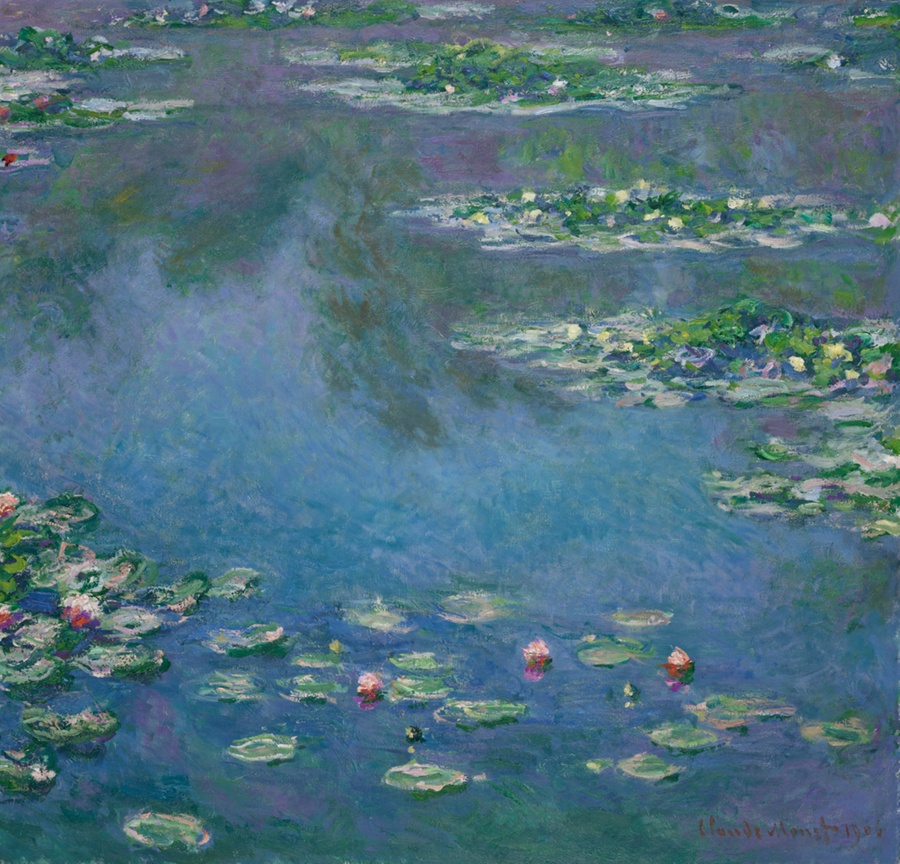
A Monet water-lily painting and Degas’s Ballet at the Paris Opéra do not look like products of one set of instructions. Monet lets the surface of the pond become a shifting field. Degas organizes figures within a stage world of work and display. Compare their edges: where does each picture invite you to continue the scene beyond the frame? A shared interest in modern experience emerges, but the route to it differs in subject, process, and the time spent constructing the image.
Paris and its public
The movement’s present-day popularity can soften its original friction. A visible brushstroke once challenged expectations of finish, while a passing moment could seem unworthy of a serious canvas. Remembering that disagreement helps a familiar painting recover some of its experimental force.
The group’s exhibitions were events in a city where the official Salon still shaped reputation. Dates, venues, reviews, and sales matter here because “Impressionism” began as a disputed public identity, not a timeless recipe for loose brushwork. Artists entered and left the exhibitions; their alliances did not erase disagreements about subjects or technique. Later museum popularity can hide how uncertain the early venture was. Reading the pictures beside that exhibition history brings the risk and variety of the project back into view.
Monet beside Morisot
Set Monet’s attention to changing garden light beside Morisot’s The Cradle. Both ask what a moment feels like, but their subjects, access to space, and arrangement of figures differ. The comparison resists the notion that the movement was simply outdoor color. It also shows why the history of Impressionism needs exhibition records and individual biographies as well as a description of brushwork.
Place Monet’s pond beside Morisot’s The Cradle and resist naming one brushstroke that supposedly defines them both. Notice where each artist lets paint remain visible, then ask why. One scene concerns reflections and changing outdoor light; the other places a figure and child inside a carefully judged relationship of gazes. Both belong in Impressionist history, but the differences show how much that history gains when it is told through distinct decisions rather than a shared label.
A name that changed meaning
From an independent exhibition to a new way of seeing. The word “Impressionism” survived the criticisms aimed at the early exhibitions and became a name museums now use with ease. Return to the works with that reversal in mind. Morisot’s open marks need not mean that a private scene was effortless; Monet’s passing light did not make planning disappear. The paintings were made by individuals solving different problems. Their movement becomes more interesting when the label directs you toward those differences instead of smoothing them away.