Begin with what you notice before asking what the work means. Your eye may go first to a face, a bright patch, or a strange empty space. That first route through the image is useful evidence: the artist has arranged your attention.
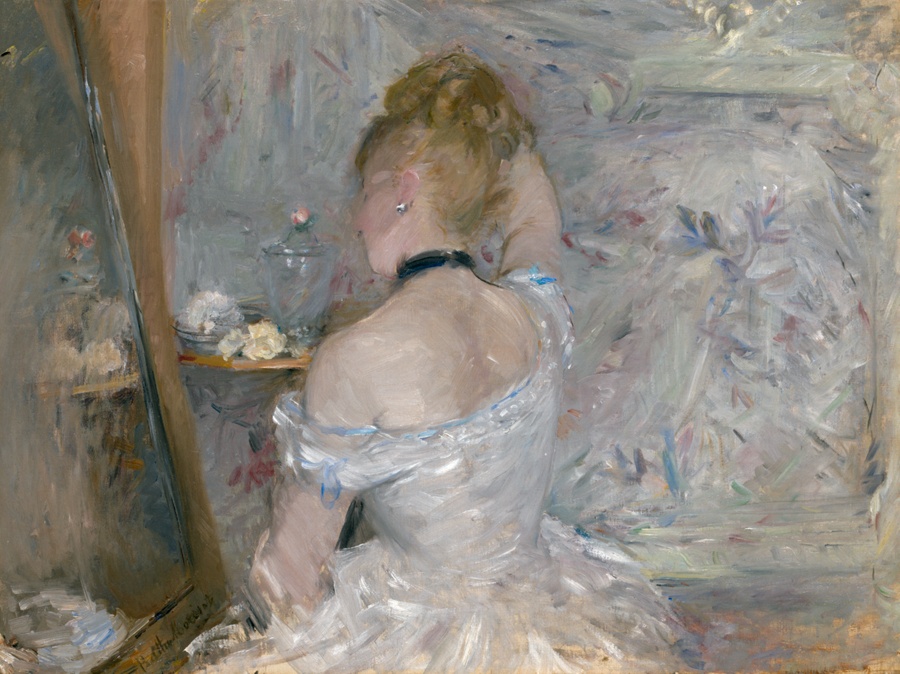
Next, look at the edges. What has been cut off? Where does the picture make you feel close, distant, above, or inside the scene? A small change of viewpoint can turn a familiar subject into a new experience. Degas’s rehearsal rooms and Cassatt’s interiors are especially good places to try this.
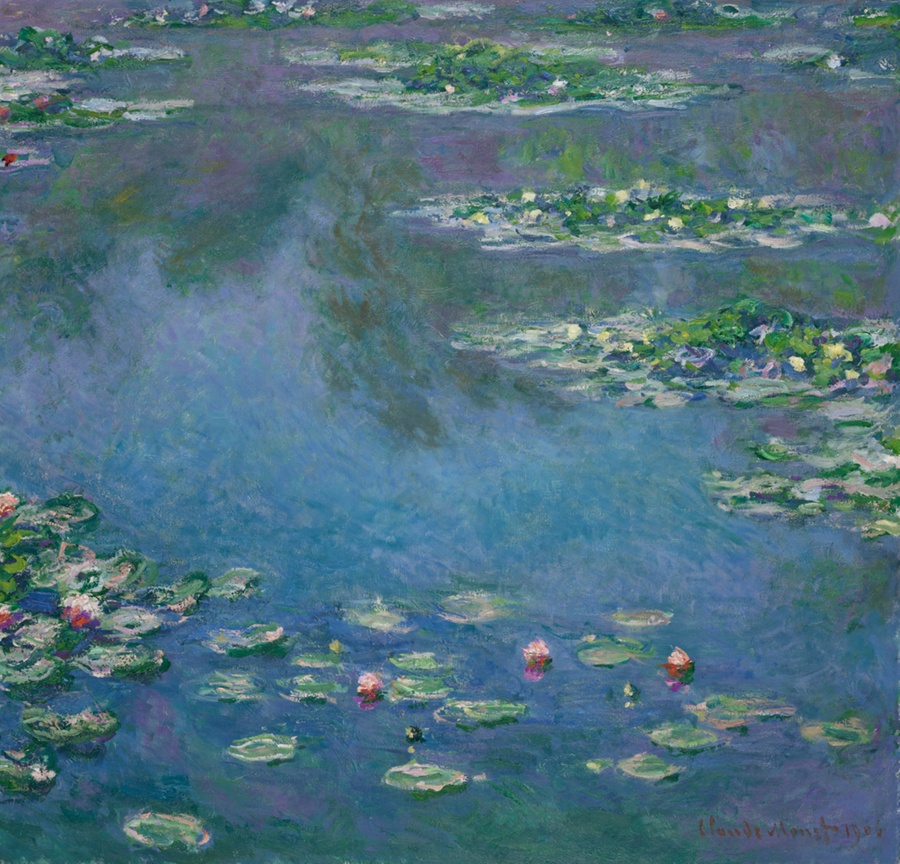
Then study the making. A smooth surface asks for a different kind of attention from a painting whose marks remain visible. In Monet, the scene may loosen into strokes as you approach and come together again as you step back. Neither distance is the “correct” one.
Finally, read the label or historical context. Facts about a date, patron, or place can deepen what you see, but they need not replace the first encounter. Return to the image and ask which details now feel different. Looking is not a test with one right answer; it is a conversation that gets richer with time.
What catches your eye
Try a one-minute inventory before reading the label: list three things you can point to, one relationship between them, and one uncertainty. This keeps description separate from interpretation without pretending that interpretation can be switched off. A bright color may pull your eye first, but its role depends on what surrounds it.
Try this with the next picture you open: give it a full minute before reading its title. Notice where you began, then trace the route your eyes took. If you returned to the same patch of color or gesture, ask what holds you there. Now read the label and test your first account against its date and materials. You are allowed to change your mind. The pleasure is in discovering that the painting can still surprise you after the first impression has settled.
Try a second picture
Distance changes the encounter. From several steps back, a composition may feel balanced; close to the surface, a visible correction or thick mark can interrupt that calm. If you are looking at a reproduction, zooming may reveal details but cannot give the true scale, texture, or behavior of light on the original material.
Degas and Cassatt offer two lively tests of viewpoint. In a Degas rehearsal image, find what the frame cuts off and imagine the larger room continuing beyond it. In Cassatt’s The Child’s Bath, look at how the high angle brings hands, basin, and patterned floor together. Neither picture gives a neutral view of an event. Drawing those different paths through the images is a more useful comparison than deciding which one looks more spontaneous.
What a label can add
Bring another viewer into the conversation. Ask what they noticed first and follow their route through the image. If the routes differ, neither needs to be wrong. The difference can reveal how a work distributes attention, how prior experience affects looking, and which parts of the picture leave room for several plausible stories.
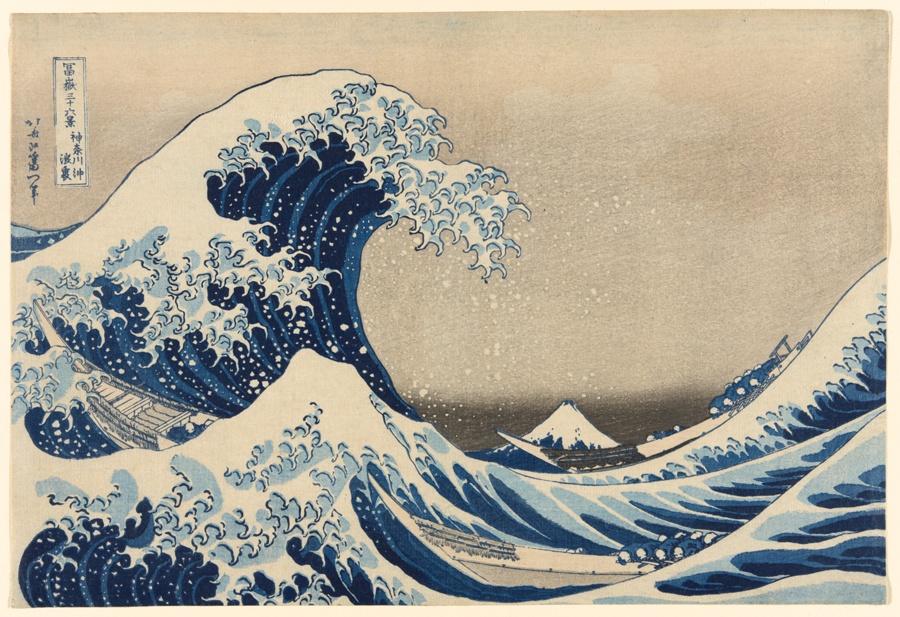
A collection label can change a reading without replacing it. The date tells us what other pictures and viewers belonged to the work’s world. The medium tells us whether a line was cut, drawn, printed, or painted. A title may be the artist’s, a collector’s, or a later museum convention. Read those details after your first minute with the image. You may discover that your early guess was supported, or that one small fact sends you back to a different corner of the picture.
Return to Vermeer
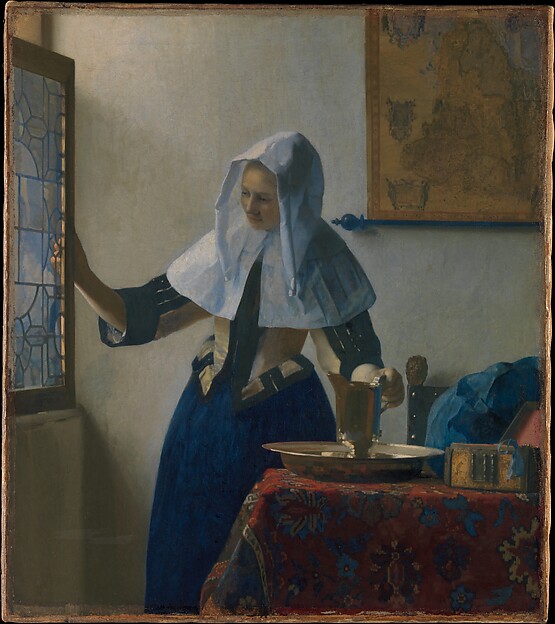
Consider Vermeer’s Young Woman with a Water Pitcher. A window lights the room, but the woman’s action remains open to interpretation. Before assigning a story, describe the placement of her hands, the basin, the map, and the direction of the light. A first reading may remain persuasive; the point is to know which details support it and which leave the scene open. Another viewer may notice the geometry of the room before the figure.
With Vermeer’s Young Woman with a Water Pitcher, pause over the woman’s hands before reading about the objects around her. Which action is certain from the image, and which have you supplied yourself? Move next to the window and the map. Their placement enlarges the room without explaining the sitter’s private thoughts. That short journey from hands to map offers a way to look again at another interior, even if its subject and century are entirely different.
Take another look
A practical guide to slowing down and seeing more. Return to Vermeer’s room after following its lines and objects. The map suggests a world beyond the wall, while the woman’s hands keep attention on a near action. What did you first take the scene to be about? The answer may now be less certain, and that is a gain. Try the same sequence tomorrow with a work in a different medium: first describe it, then read its record, then describe it once more.