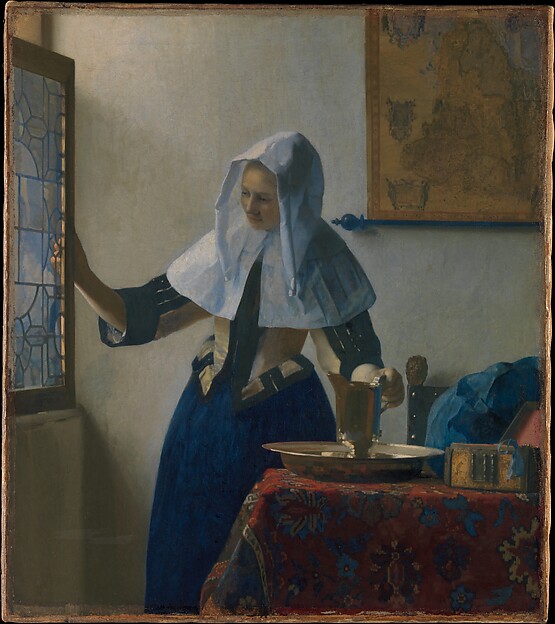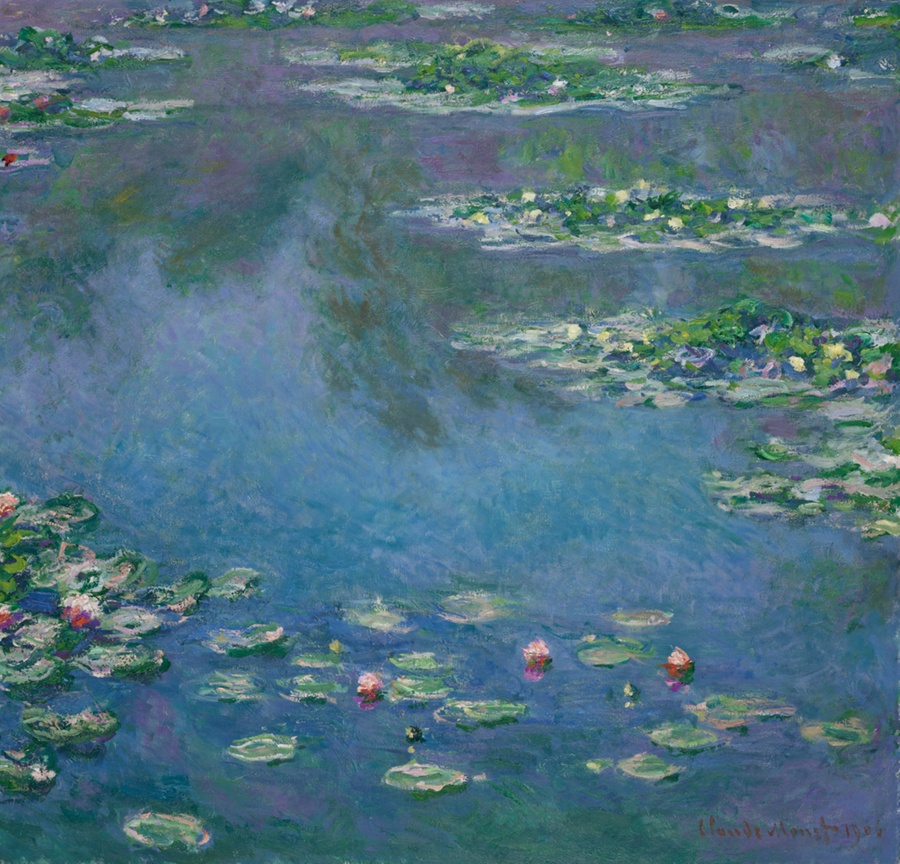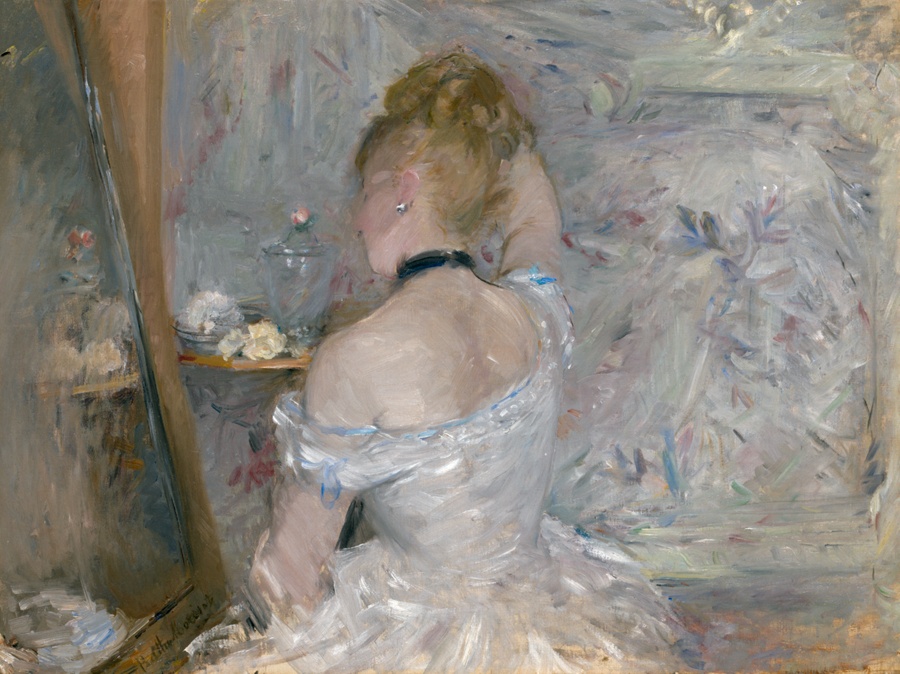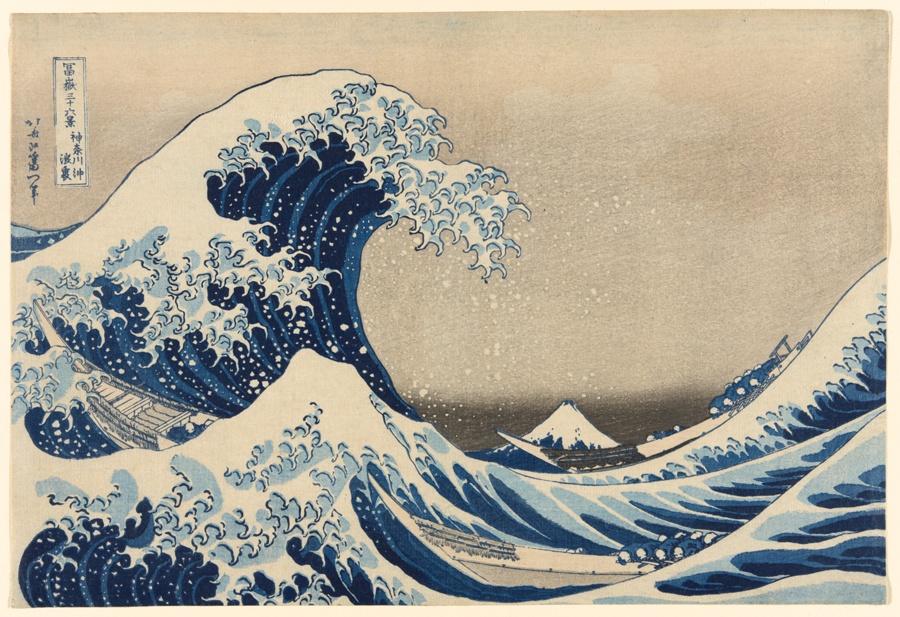
Japanese woodblock prints became influential in Europe and North America during the nineteenth century. Their strong outlines, flat color, cropped views, and daring diagonals offered artists new ways to arrange a page or canvas.
The prints came from a collaborative industry: designers, carvers, printers, and publishers all played roles. Hokusai and Hiroshige are famous names, but their images were made through highly skilled shared processes and reached varied audiences.
Artists such as Monet, Degas, and Cassatt studied Japanese prints. They did not simply copy motifs; they reconsidered framing and the relationship between foreground and background. A bridge, umbrella, or stretch of empty space could carry the structure of a composition.
This exchange is often called Japonisme. It also belongs to a wider history of trade, collecting, and unequal power. Looking closely at both the Japanese works and their later adaptations makes the direction and complexity of influence clearer.
Prints crossing oceans
A Japanese woodblock print was usually the result of coordinated labor among designer, carver, printer, and publisher. Its strong contours and areas of color reflect both artistic decisions and a demanding production process. The sheet was made for circulation, not for a later museum wall alone.
The print’s journey matters as much as the resemblance that later viewers see in a European painting. Publishers and printers in Japan made images for buyers with their own interests in travel, theater, fashion, and landscape. Trade and collecting carried some of those sheets abroad. An artist in Paris might encounter a cropped design without knowing the labor or audience behind it. Following the object’s route keeps influence from becoming a story told entirely from the receiving side.
Made by several hands
Hokusai’s views of Mount Fuji show a landmark changing with weather and human activity. European artists encountered such prints through trade and collecting; they borrowed cropping, asymmetry, and patterned surfaces in very different ways. Influence is clearest when a specific choice can be compared rather than when every bold outline is called Japanese.
Hokusai’s repeated Fuji is a better point of departure than a checklist of “Japanese” visual traits. The mountain may be tiny beneath a wave or firm beneath falling rain; each sheet changes the relationship among place, weather, and human life. Now compare a later work said to show Japanese influence. Which precise decision resembles the print: the crop, the strong outline, the shifted viewpoint? If you cannot name one, the label of influence may be doing more work than the images.
A larger history of exchange
The term Japonisme names a European fascination, not a complete account of Japanese art. It is useful to ask who produced the original prints, which examples traveled, and how Western markets selected them. That keeps the Japanese makers visible in a story often told only through European responses.
A European painter might encounter Japanese prints through trade, a collector, a dealer, or an exhibition. The route matters: it shaped which designs became visible and how they were described outside Japan. A cropped view or strong outline can suggest influence, but resemblance alone cannot establish that one maker saw a particular sheet. Look for documented collections and precise visual choices. This keeps the Japanese print present as an object with its own makers and audience rather than treating it as raw material for a European story.
Hokusai’s changing Fuji
Hokusai’s repeated views of Mount Fuji use a stable landmark to organize very different encounters with labor, travel, and weather. When a European painter later cropped a scene daringly or favored a strong outline, the resemblance may be real, but it should be identified specifically. Influence is a route between actual works and people, not an automatic explanation for every flat area of color.
Begin with two views of Fuji by Hokusai. See how a stable mountain changes place as weather, labor, and travel fill the foreground. Then choose a later painting often linked to Japanese prints and name the exact compositional resemblance you see: a diagonal, a cropped figure, or an unusual area of empty space. Ask what has changed in medium and intended viewer. The strongest comparison makes both images more particular, even if it leaves the exact route of influence open.
Look for a specific connection
How an art form crossed oceans and changed composition. A good account of Japonisme keeps two histories in view. One concerns the inventive Japanese print culture that made these objects; the other concerns the uses European and American artists made of them. The direction of exchange was shaped by commerce and unequal power, and the resulting pictures were not simple copies. Return to a particular print and a particular later work. The differences between them often tell the richest part of the story.