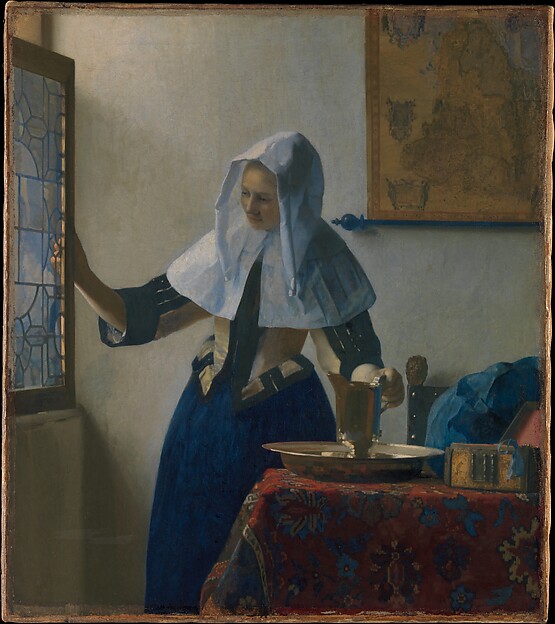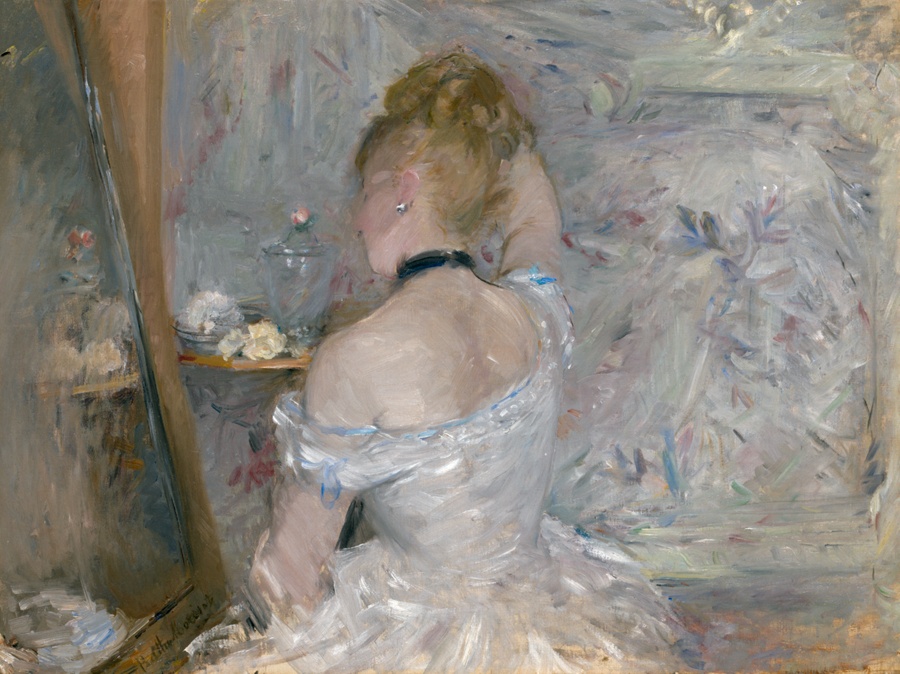
Movements help us orient ourselves. “Impressionism” suggests a group of exhibitions and experiments in nineteenth-century France; “Ukiyo-e” points to a very different history of Japanese printmaking and urban audiences. These labels create useful paths through a large history.
They also have limits. Artists change over time, overlap across circles, and resist tidy categories. Van Gogh belongs in a story about Post-Impressionism, but that label cannot explain every drawing, letter, or painting he made.
Begin with a movement’s historical setting: who was working together, what institutions mattered, and what questions they shared. Then compare individual works. Monet and Degas both exhibited with the Impressionists, but their subjects and methods often diverged.
Think of the movement page as a door. It gives you terms and context, then the most interesting work begins when you step through to a specific artist and image.
Why movements have names
Movement names arise in different ways. Some were chosen by artists, some were used by hostile critics, and some were applied much later by historians. A label may mark an exhibition group, a broad period, or a convenient resemblance among works made far apart.
Look at who used the label and when. Impressionism grew around actual exhibitions, while Post-Impressionism was named after the works were made. Ukiyo-e refers to a print and image culture with its own publishers, buyers, and subjects. Those words do not do the same historical job. Treating every movement as a club with a start date hides their different origins. A useful guide tells you what the name can locate and where it starts to mislead.
Artists cross the boundaries
Compare two artists commonly placed together. Monet and Degas both took part in Impressionist history, yet their subjects and working methods diverged. Kandinsky and Mondrian both contributed to abstraction, yet the rhythm and purpose of their pictures are hard to confuse.
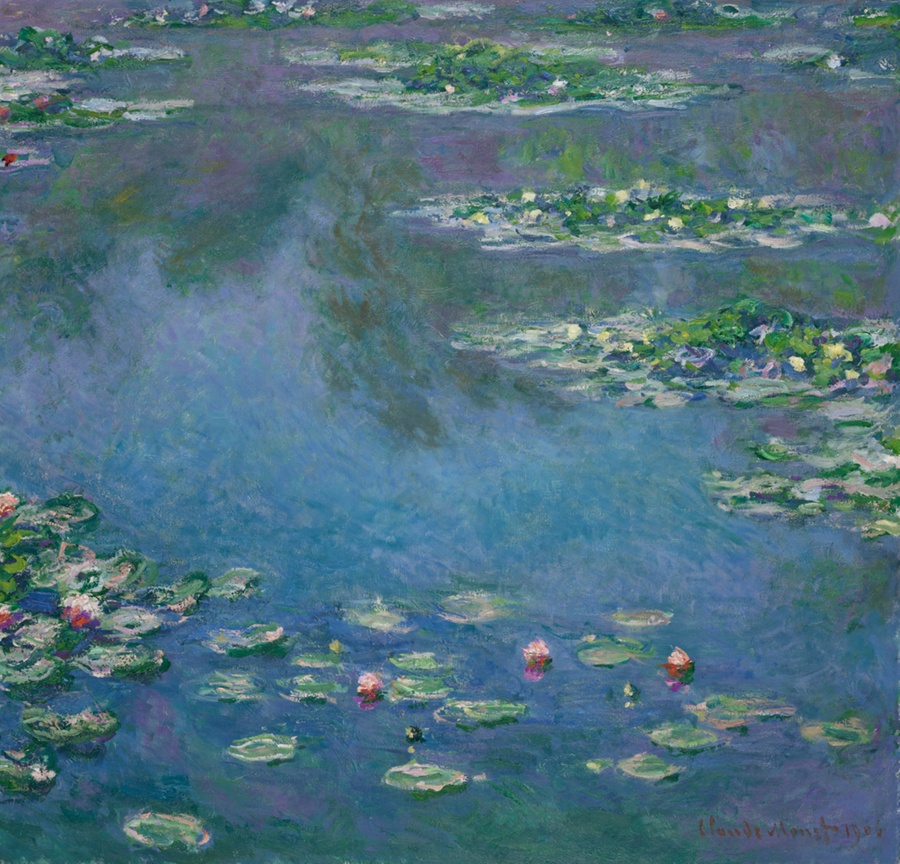
Monet and Degas both belong to Impressionist history, yet a pond surface and a rehearsal room make very different demands of an artist. Notice how each picture frames its subject and what kind of time it suggests. A shared exhibition history is real, but it will not explain the whole image. Repeat the exercise with Kandinsky and Mondrian under the broad heading of abstraction: a common label becomes most useful when it helps you notice disagreement.
Who chose the label?
The best use of a movement guide is navigational. Let it suggest a question and a set of works, then test the label against the objects. If it starts hiding a maker’s particular materials, audience, or location, set the label aside and look again.
A movement name may come from the artists themselves, a hostile critic, a later exhibition, or a historian looking back. Its origin changes the claim it makes. Some names describe organized groups; others gather people who never worked together. Dates are similarly uneven, since new approaches spread across places at different speeds. A guide becomes more useful when it explains that history of naming and points to actual works, instead of treating the label as a rule that every object must obey.
Monet and Degas
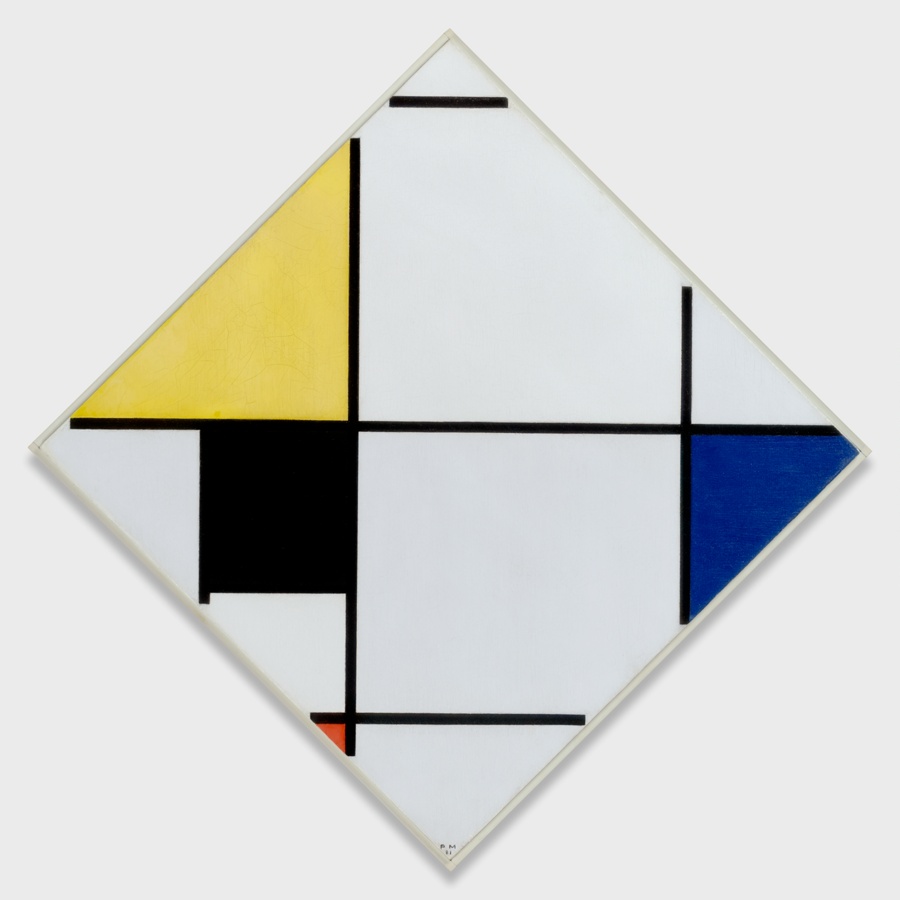
Try the label “abstraction” with Kandinsky and Mondrian. Kandinsky’s lines and colors can produce a sense of surge and response; Mondrian’s unequal intervals hold a more measured tension. The label is useful because both make form a subject in itself. It becomes less useful if it encourages us to overlook how different the works feel, how they were made, or what each artist said about the task.
Try “Impressionism” with a Monet water-lily painting and a Degas rehearsal scene. Name one shared historical connection, then describe three things that differ: subject, setting, and how the artist directs attention. If the two works seem too unlike one another for a neat definition, the comparison has done its job. The movement gives you an entry point; the works give you a more accurate sense of the people who lived inside, alongside, or outside its boundaries.
Use the map, then look
Use movement names as maps, then follow the artists beyond them. When you move from a movement page to an artwork page, carry one question with you rather than a list of traits to find. Perhaps the question concerns who could see the work, how it was made, or which convention it unsettled. Let the object answer in its own terms. If it refuses to fit the definition neatly, that is information about the work and about the limits of the name used to group it.