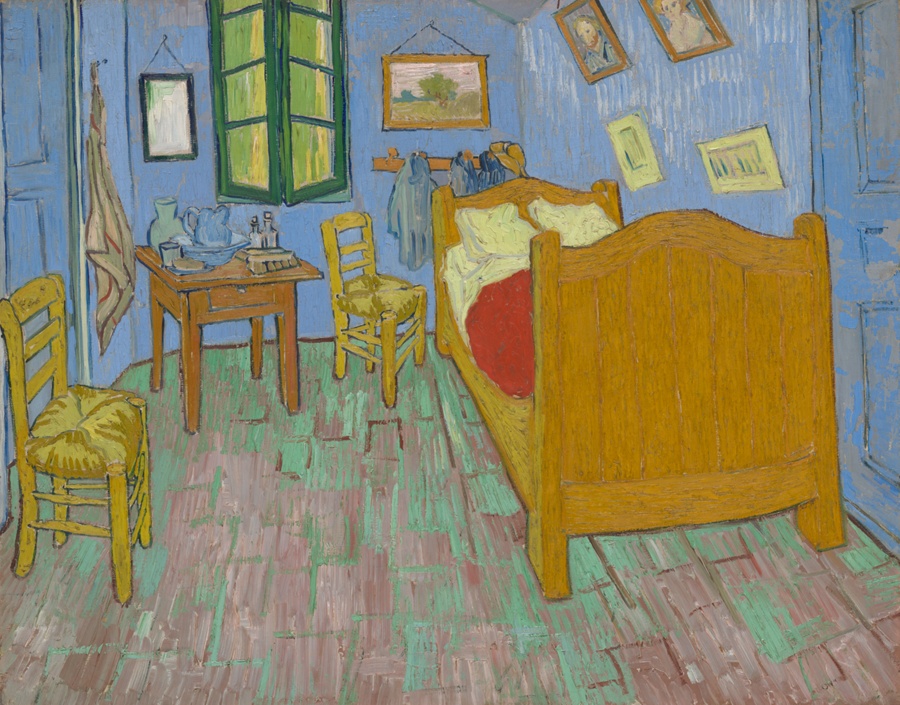
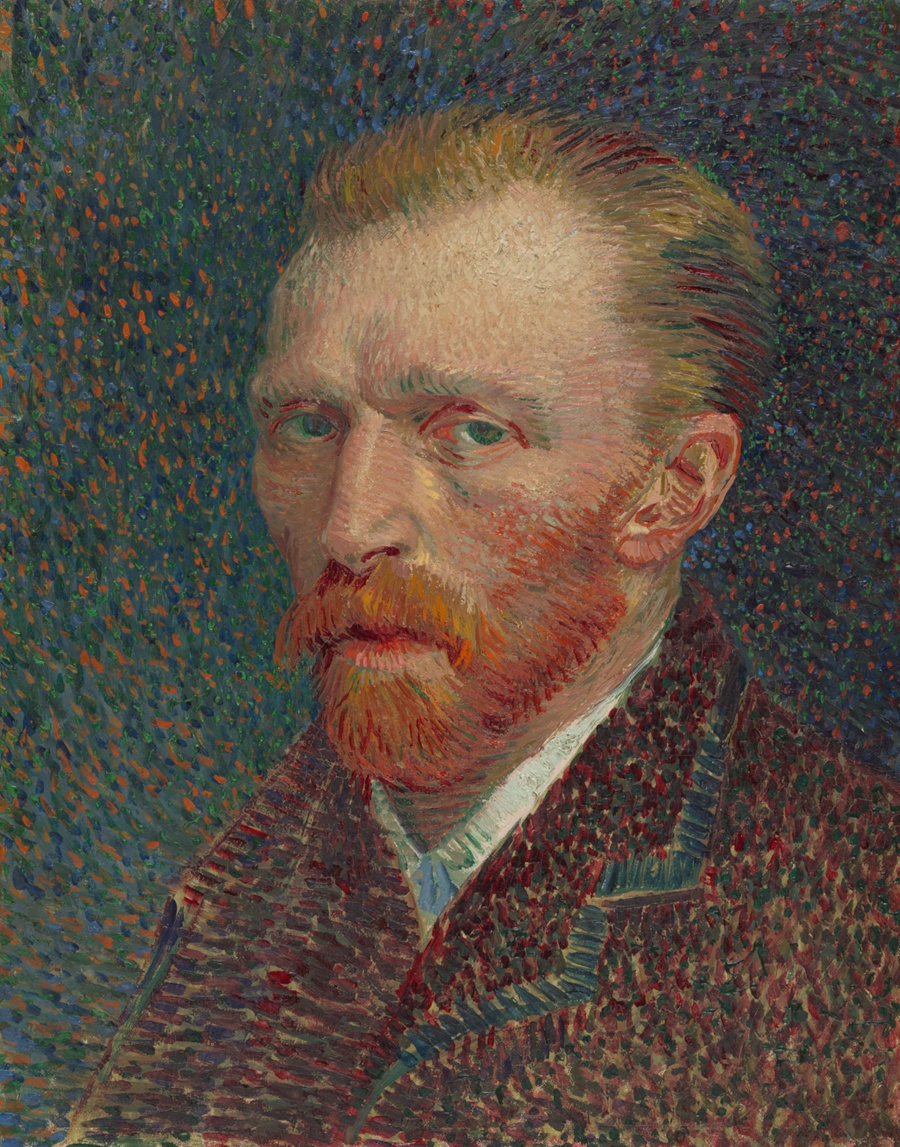
The Poet's Garden in its time
Van Gogh turns a garden into a dense pattern of paths, foliage, and light, giving an ordinary setting expressive force. The Poet's Garden is dated 1888 and is held by Art Institute of Chicago. The source record names it “The Poet's Garden.” The source tells us which object this is. Looking at The Poet's Garden reveals decisions that no short catalogue line could contain.
How the picture holds together
Trees and paths divide the garden into fields of strong color. Van Gogh turns a cultivated outdoor space into a composition with its own pace and direction. The subject named in The Poet's Garden is only one part of the encounter. Edges, intervals, and changes of emphasis control how much time the viewer spends in each area of the work.
The material object
The collection records The Poet's Garden as oil on canvas. With The Poet's Garden, the source’s medium label points to a process as well as a finished image. Surface, scale, and handling can change what close looking reveals. In The Poet's Garden, process and appearance meet; the materials in the record help explain what kind of surface carried these choices. Compare The Poet's Garden with another work by the artist. Its medium and size can help explain why the two works meet the eye differently.
Vincent van Gogh and this work
The Sunflowers and the bedroom at Arles turn ordinary surroundings into statements about hospitality and place. Later cypresses and night skies make movement visible through the surface itself. The path gives a route into a garden crowded by trees and strong color. Van Gogh turns a cultivated place into an arrangement with its own visual tempo. The Poet's Garden sits among other attempts, commissions, or studies made during Vincent van Gogh’s working life. Its surface and arrangement hold decisions made for this image alone. Another image by the same maker may use a related method toward another end, or change the method altogether. The present work has its own conditions of making, documented in the record linked beside it. An artist’s story gains detail from works like The Poet's Garden rather than supplying a ready explanation for them. The other works linked from Vincent van Gogh’s profile give The Poet's Garden a useful company: their differences make this image more specific.
The world around The Poet's Garden
His illness deserves humane attention, but it does not explain every mark. The myth of the isolated, unrecognized genius obscures collaboration, study, and the role of his brother Theo. The date attached to The Poet's Garden, 1888, is more than a period marker. It places the work among the people and circumstances in which its first audience could encounter it. With The Poet's Garden, the source entry anchors attribution and materials; it does not settle every possible reading of the work.
Image and object record
Art Institute of Chicago identifies The Poet's Garden as a work by Vincent van Gogh from 1888 and records its medium as oil on canvas. The collection credits the object to Mr. and Mrs. Lewis Larned Coburn Memorial Collection. Follow the linked object record for its catalogue entry and any further notes on its history.