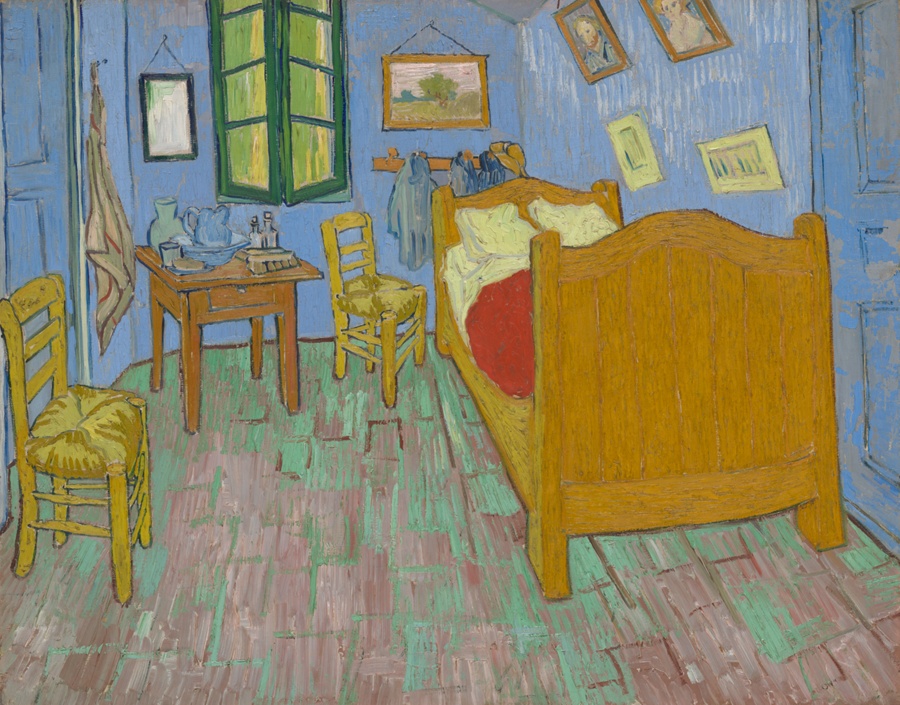
Self-Portrait in its time
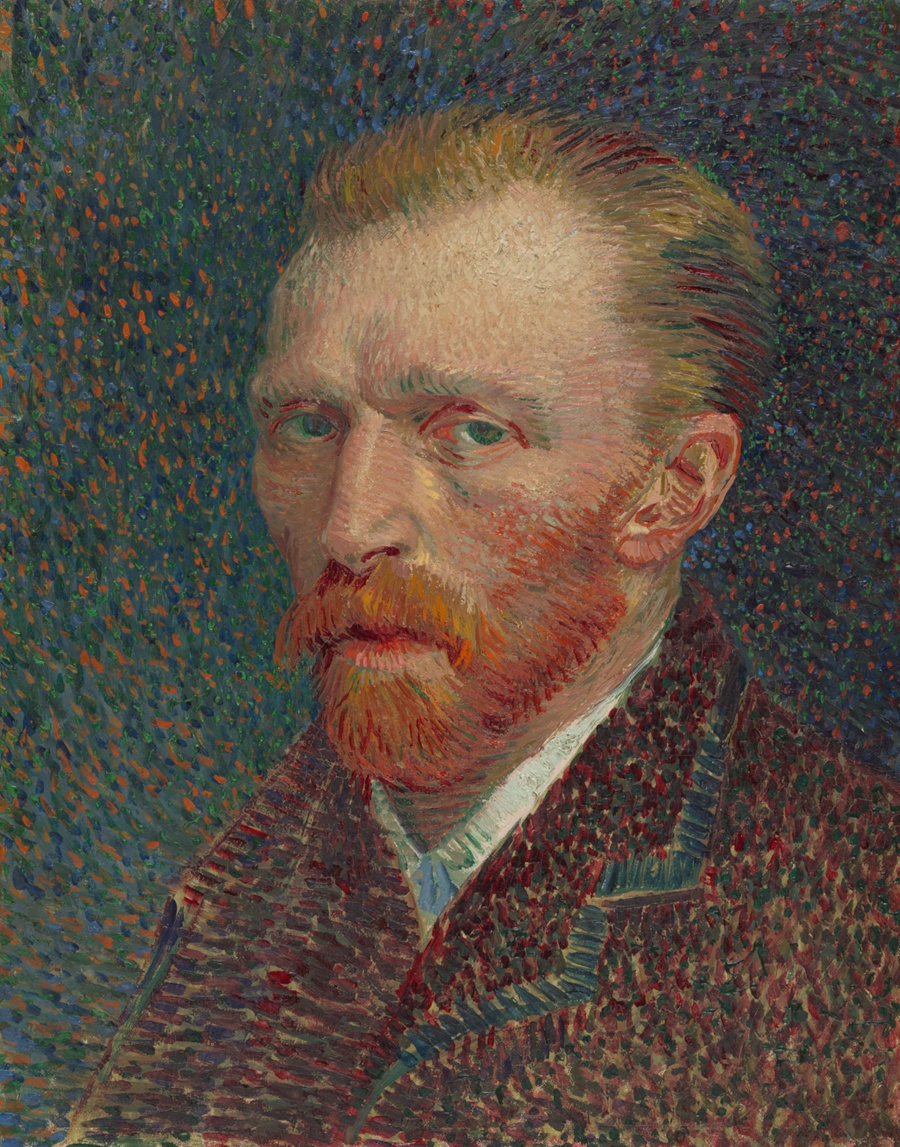
Van Gogh faces the viewer in a portrait shaped by direct color, visible marks, and close self-scrutiny. Self-Portrait is dated 1887 and is held by Art Institute of Chicago. The source record names it “Self-Portrait.” A title and date can orient us to Self-Portrait, but neither replaces the experience of following its forms across the image.
What appears at first glance
Van Gogh uses his own face as a place to test color, line, and the pressure of the brush. The likeness matters, but so does the visible act of painting. A self-portrait is a constructed meeting with the artist, not an unfiltered record of private feeling. In Self-Portrait, a minor detail can change the balance of the larger view. Let your eye move from its busiest place toward a quieter passage, then return. The route is part of the work’s design.
How it was made
The collection records Self-Portrait as oil on artist's board, mounted on cradled panel. Brush direction, thick paint, and sharpened color make familiar forms feel active. His letters show how carefully he planned motifs and combinations rather than painting only by impulse. For Self-Portrait, the collection’s medium label is a clue to the work of the hand and to the surface that first carried the image. On a screen, Self-Portrait has a convenient size. Its actual dimensions and support belong to the source record linked beside the work.
Vincent van Gogh and this work
In Arles and Saint-Rémy, he made ordinary subjects—chairs, bedrooms, orchards, cypresses, stars—feel charged with movement. His mental illness is part of his history, but it should not flatten his art into a symptom. He studied other painters, planned series, and worked with striking discipline. The huge influence of his paintings grew after his death. Van Gogh does not hide the marks that build his own face. The visible paint makes the portrait both a likeness and a record of choices about color and direction, not a transparent account of feeling. The source identifies Self-Portrait as one work in a changing practice. Even when two objects share a subject, they need not share the same emphasis. Another image by the same maker may use a related method toward another end, or change the method altogether. The choices in this image have a pace of their own. Each work had its own audience and task, and each can change the story we tell about the career. Seen with Vincent van Gogh’s other works, Self-Portrait shows how one maker could return to a concern while changing material or scale.
The world around Self-Portrait
For Self-Portrait, 1887 is an anchor rather than a full explanation. The linked institution identifies the object, but its first setting and audience require further historical questions. Self-Portrait began as an object in 1887, made for viewers with their own habits and expectations. Today its collection record offers a route back to that material history. For Self-Portrait, use the collection link to check date and medium before returning to the visual choices made on the surface.
Image and object record
Art Institute of Chicago identifies Self-Portrait as a work by Vincent van Gogh from 1887 and records its medium as oil on artist's board, mounted on cradled panel. The collection credits the object to Joseph Winterbotham Collection. Follow the linked object record for its catalogue entry and any further notes on its history.